Tooth Extraction
Your Dental Practice in Warrnambool
Warrnambool Dental is dedicated to providing dental care that supports your individual oral health needs.

Tooth Extraction in Warrnambool
Tooth extraction may sometimes be necessary to protect your overall oral health.
In some cases, removing a tooth from the jawbone may be necessary when it cannot be restored or when extraction is recommended as part of your dental treatment.
Book an appointment at Warrnambool Dental to discuss whether tooth extraction may be appropriate for your individual circumstances.
When May Tooth Extraction be Necessary

The common reasons for tooth extractions may include:
For orthodontic treatments: In some cases, tooth extraction may be recommended as part of orthodontic treatment to create space for teeth to be aligned.
Orthodontic treatment aims to align the teeth, and extraction may sometimes be recommended where additional space is needed.
To save space: Wisdom teeth extractions may be recommended if there is not enough room for them in the mouth, or if they are infected or impacted.
Due to damage or tooth decay: Tooth extraction may be recommended when a tooth has extensive decay or damage and cannot be adequately restored with a filling, crown or other treatment.
Radiation or chemotherapy patients: Depending on the individual circumstances, tooth extraction may sometimes be recommended if teeth are significantly affected by treatment or infection.
What Happens Before a Tooth Extraction?
Your dentist will also explain how the extraction will be carried out and what you can expect afterwards. Depending on the tooth and your individual circumstances, the procedure may be relatively straightforward or may require a more involved approach, particularly when removing a wisdom tooth or a tooth that is broken or impacted.
Understanding the process beforehand can make it easier to prepare for your appointment. If you are looking for tooth extraction in Warrnambool, you can discuss any concerns or questions with your dental team before treatment.

5
Reasons Our Patients Choose Us
Dental Experience
Dr Nishant Hurria
Dr Nishant Hurria has experience in providing a wide range of dental treatments, including more involved procedures.
Modern Dental Technology
Well-equipped Practice
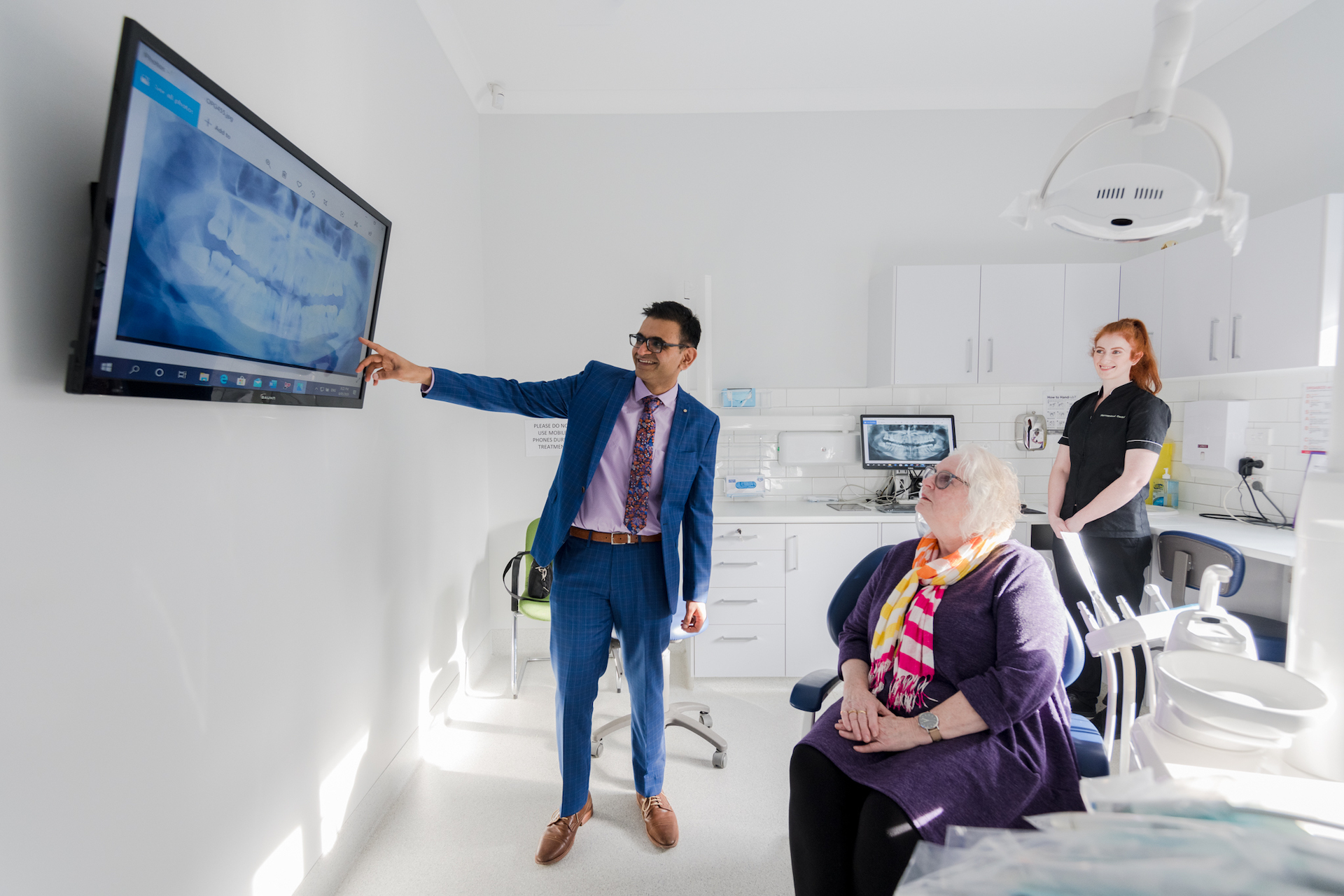
We use modern dental technology to support assessment and treatment planning.
Patient-Focused Care
Care Tailored to Your Needs
Your care is planned around your individual needs, preferences, and oral health.
For Your Convenience
Easy Parking
Ample Car Parking Across the Practice in Warrnambool CBD
Flexible Payment Options
Interest-Free Options for Eligible Patients
We can guide you through payment options and any applicable health fund claims
Payment Plans Available
Our Practice
Warrnambool Dental
“Quality is never an accident; it is the result of high intention, sincere effort, intelligent direction and skilful execution; it represents the wise choice of many alternatives.”

Procedure for Teeth Extraction
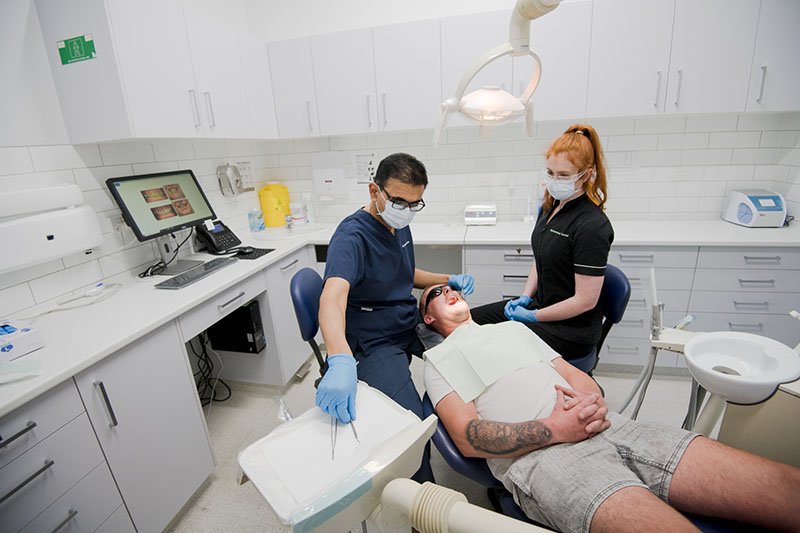
If you need a tooth extracted, Dr. Nishant will numb the area with a local anaesthetic to minimise discomfort.
Once your tooth is removed, your dentist will provide instructions on caring for the extraction site. Some bleeding or oozing may occur after an extraction.
Your mouth will gradually fill the space where the tooth root was by the formation of a blood clot.
At-Home Care
After your tooth extraction, be sure to follow your dentist’s instructions for aftercare, including the following:
Eating soft food: Choose soft foods while your mouth is numb, then gradually return to your usual diet as comfortable and according to your dentist’s instructions.
Take good care of your teeth: Don’t brush your teeth directly over the area of tooth extraction for the first 24 hours but clean the rest of your teeth. Get back to a good oral care habit in a couple of days once the site heals, unless otherwise recommended by your dentist.
For the first few days, if you must, rinse your mouth gently.
If you experience redness and swelling, apply a cold cloth or an ice bag against the affected area and call your dentist immediately. Ask your dentist carrying out tooth extraction in Warrnambool about pain relievers you can take.
Remember, when having an extraction, modern treatments and follow-up care are there for your benefit and comfort.


When Should You Contact Your Dentist?
Some bleeding, tenderness and swelling can occur after a tooth extraction as the area begins to heal. These symptoms should gradually settle, but it is important to contact your dentist if you are concerned about how the area is healing.
Contact your dental team if bleeding does not settle with the advice provided, swelling continues to increase, pain becomes more difficult to manage, or you develop other symptoms that concern you. If you are unsure whether something you are experiencing is part of the normal healing process, it is better to ask your dentist rather than trying to manage it yourself.
If you experience severe or unexpected symptoms, seek urgent medical attention.
We are here to help you answer these & more questions thoroughly.
Call Warrnambool Dental.
A smile can open doors and change lives.
(03) 5562 4433
Enquire About Sleep Dentistry
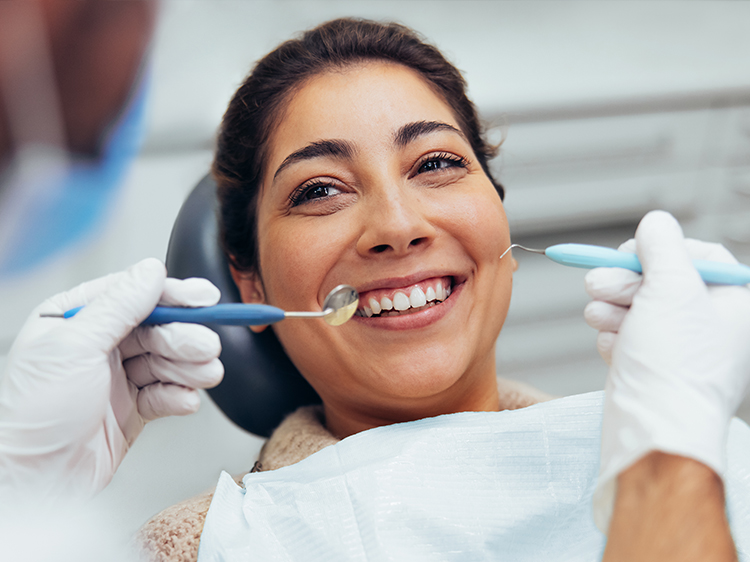
For patients who feel anxious about dental treatment, have a sensitive gag reflex, or require complex procedures, Sleep Dentistry can offer a calming alternative. Also known as sedation dentistry, this approach may allow you to undergo treatment in a relaxed state, while remaining responsive and aware.
The team can discuss IV sedation, oral sedation, or happy gas where appropriate, depending on your treatment and individual circumstances. Let us know before your next appointment and we can assist.
Frequently Asked Questions
Tooth Extraction
Your Title Goes Here
Your content goes here. Edit or remove this text inline or in the module Content settings. You can also style every aspect of this content in the module Design settings and even apply custom CSS to this text in the module Advanced settings.
1. What is tooth extraction?
Tooth extraction refers to the process of removing teeth from the mouth. Teeth sit in something called the alveolar bone. During extraction, the dentist removes the root from the alveolar bone, bringing the crown and the rest of the tooth with it.
2. Are tooth extractions painful?
A local anaesthetic is used to numb the area before an extraction. You may feel some pressure during the procedure, but you should not feel sharp pain. Some discomfort or tenderness can occur after the extraction as the area heals.
3. How do I know if I need a tooth pulled?
Your dentist for tooth extraction in Warrnambool can assess your tooth to determine if you need a tooth or teeth extracted. Whether you need a tooth extraction or not, there are both pros and cons to any dental choices. Your dentist will discuss them with you.
4. When can I eat after the procedure?
Your dentist will advise you when it is appropriate to eat after a tooth extraction. We recommend starting with soft, light foods such as soups, mashed potatoes, and apple sauce. Make sure the food you eat is not hot, as you will be numb and unable to feel if your tongue or lip has been burnt.
5. What happens if I don't replace a missing tooth?
Whether a missing tooth needs to be replaced depends on its location, your bite and your individual oral health. In some cases, no replacement may be recommended. Your dentist can explain how leaving the space may affect your teeth and discuss whether options such as a dental implant, bridge or denture may be suitable.
6. Can I drive myself home after a tooth extraction?
If your extraction is performed using local anaesthetic alone, your dentist can advise you about returning to your usual activities. If sedation is used, you may need someone to take you home and follow additional restrictions afterwards. Your dental team will explain what you need to do based on the type of anaesthetic or sedation used.
ABOUT THE AUTHOR
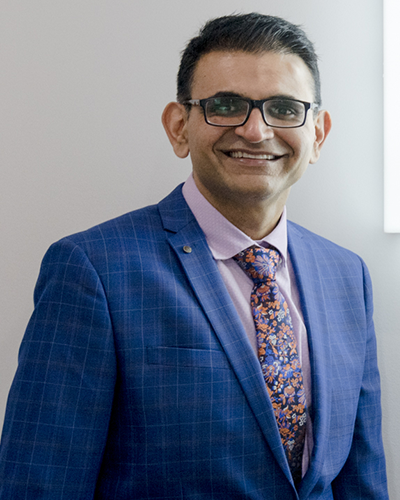
Dr Nishant Hurria
Dr Nishant Hurria is an Australian-based health professional and the principal dentist of Warrnambool Dental with a special interest in Crowns & Bridges and Dental Implants.