
Teething
TEETHING IN BABIES: WHAT TO DO
Leading Dental Practice in Warrnambool
Warrnambool Dental is dedicated to helping your child have healthy and beautiful teeth.

Teething Care Warrnambool
Teething is an exciting time for the whole family and usually starts with the emergence of the two front lower teeth, and in some cases with the two front upper teeth.
This occurs sometime between 6 and 12 months, after which period your baby should usually have four shiny new teeth to give you their smiles with. Teething is naturally stressful on the baby and parents as it is a time of sore, swollen, and painful gums.
As a loving parent, you’ll want to do everything you can to relieve their pain.
Here are some things you can try to soothe your baby’s teething gums:
- Rubbing a clean finger or a clean, cold spoon (not too cold) on your baby’s gums for temporary relief
- Use a silicone-based teething ring. Chill it in the refrigerator (not the freezer)
- Give your baby a dummy chewing teat
- Pain reliever medicine if nothing else provides relief. Make sure to consult with your baby’s doctor before giving them any medication
By three years of age, most children will have all 20 baby teeth.
Even though these teeth are not permanent, they are very important because they play a role in preparing your child’s jaws and gums for permanent teeth.
Baby teeth lost too early can cause permanent teeth to come in crooked or otherwise imperfectly.

Ask About Sleep Dentistry
For patients who feel anxious about dental treatment, have a sensitive gag reflex, or require complex procedures, Sleep Dentistry offers a calming alternative. Also known as sedation dentistry, this approach allows you to undergo treatment in a deeply relaxed state—while remaining responsive and safe.
Our experienced team can offer IV sedation, oral sedation, or happy gas to ensure your comfort. Let us know before your next appointment and we can assist.
5
Reasons Our Patients Choose Us
Dental Experience
Dr Nishant Hurria
Dr Nishant Hurria has experience in providing a wide range of dental treatments, including more involved procedures.
Modern Dental Technology
Well-equipped Practice
We use modern dental technology to support assessment and treatment planning.
Patient-Focused Care
Care Tailored to Your Needs
Your care is planned around your individual needs, preferences, and oral health.
For Your Convenience
Easy Parking
Ample Car Parking Across the Practice in Warrnambool CBD
Flexible Payment Options
Interest-Free Options for Eligible Patients
We can guide you through payment options and any applicable health fund claims
Payment Plans Available
Our Practice
Warrnambool Dental

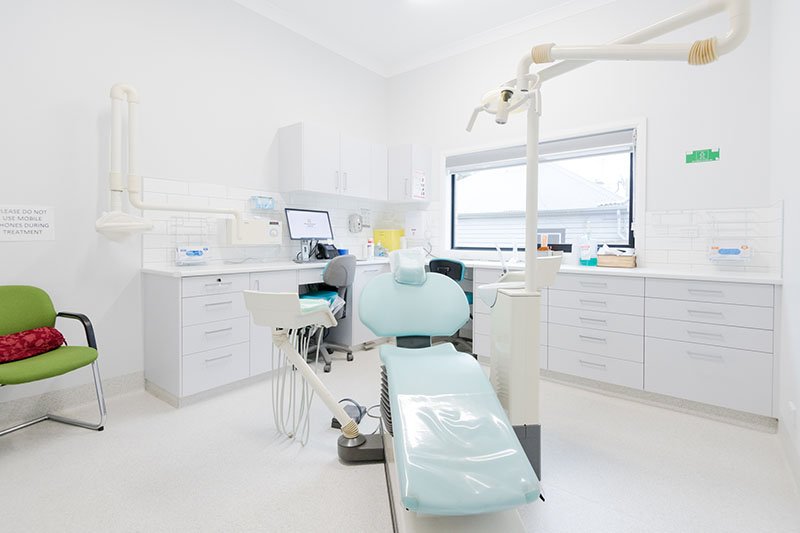

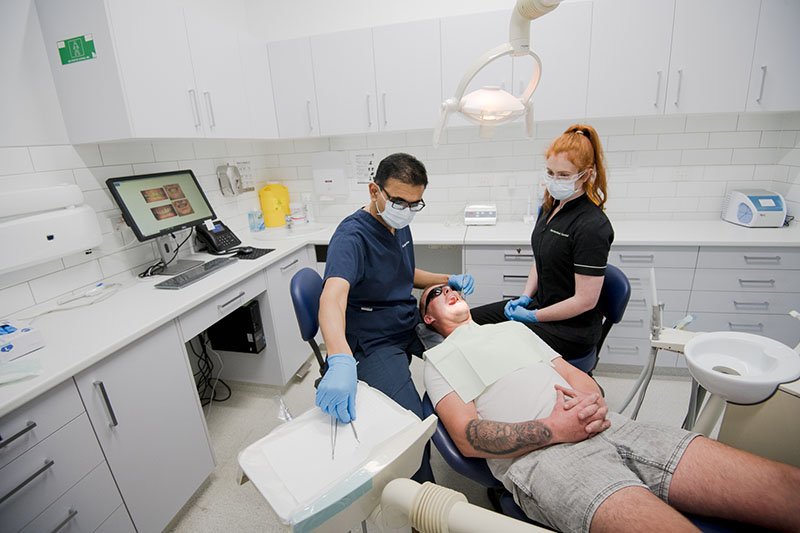
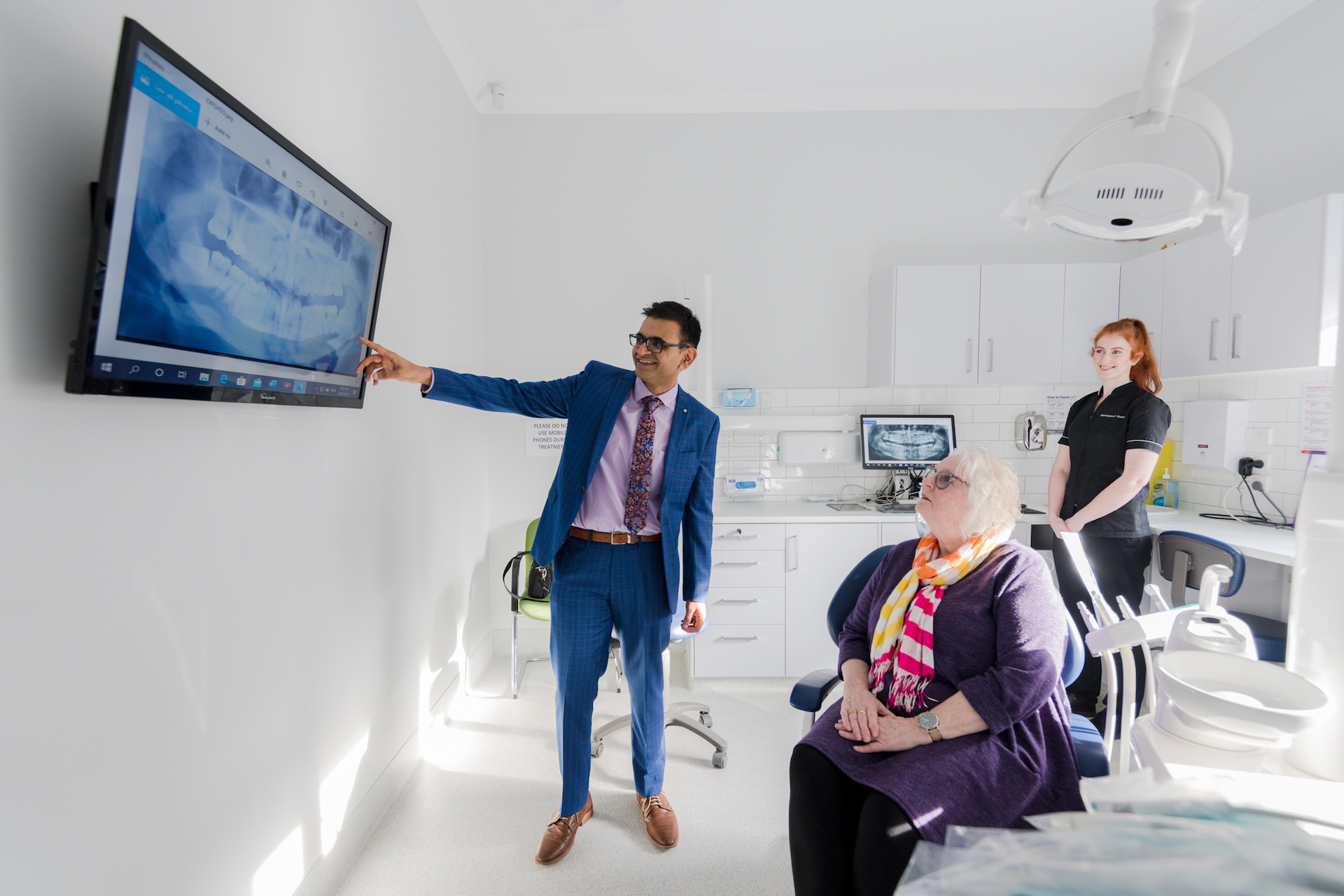
“Quality is never an accident; it is the result of high intention, sincere effort, intelligent direction and skilful execution; it represents the wise choice of many alternatives.”

When is it Normal for Baby Teeth to Fall Out?
Baby teeth should start to fall out gradually around the age of 6 or 7. This usually happens when the permanent tooth is ready to come in, which then begins growing in their place.
By the ages of 12 or 13, most children will have all of their permanent teeth (except wisdom teeth, which come in between 17 and 25).
As permanent teeth begin to replace baby teeth, the larger adult teeth can create uneven spaces between teeth, making it harder to clean.
It’s important to practice good oral hygiene during the transition from baby to adult teeth to ensure optimal dental health into teenage years and adulthood.
We are here to help you answer these & more questions thoroughly.
Call Warrnambool Dental.
A smile can open doors and change lives.
(03) 5562 4433
Frequently Asked Questions
About Teething
What age does teething start?
Your baby’s first tooth may appear as early as three months or as late as a year or more. The average age is around six months.
If your baby was born premature, their teeth will likely take longer to start coming through.
How long does it last?
An individual tooth will usually only cause discomfort for a few days at most, but it can take longer for some babies. The whole teething process is usually complete by the age of two to three.
Is teething always painful?
Teething is associated with pain, but that’s not always the case. Younger babies may appear to suffer more from teething, because they’re less used to dealing with discomfort.
ABOUT THE AUTHOR

Dr Nishant Hurria
Dr Nishant Hurria is an Australian-based health professional and the principal dentist of Warrnambool Dental with a special interest in Crowns & Bridges and Dental Implants.